If you’ve ever been part of a large construction project, you already know how challenging it can be to keep everything on track. Timelines get tight, costs start increasing, and even small delays can create a ripple effect across the entire project.
This is exactly why many developers and contractors are moving towards pre-engineered sections.
Instead of building everything from scratch on-site, these components are designed and manufactured in advance, making the entire process faster, smoother, and far more predictable.
What Are Pre-Engineered Sections?
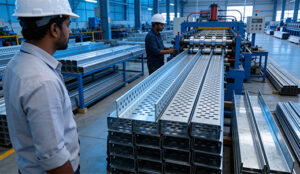
In simple terms, pre-engineered sections are ready-to-install components that are manufactured off-site based on project requirements.
They are designed with precision and delivered to the site in a finished or semi-finished form, reducing the need for on-site fabrication.
Key Components of Pre-Engineered Sections
Pre-engineered sections typically include:
- Structural profiles designed for load-bearing applications
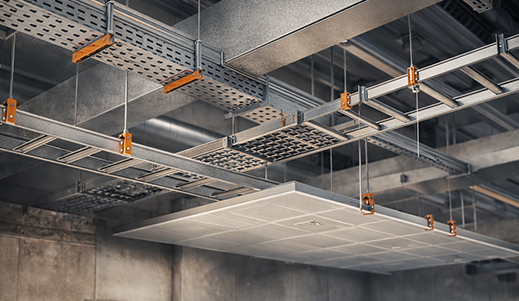
- Cable management systems such as trays and supports
- Mounting systems and brackets for installation
- Fasteners and accessories required for assembly
- Surface finishes for durability and environmental protection
These components are designed to work together seamlessly, ensuring efficient installation and long-term performance.
Why Are They Becoming So Popular?
The shift towards pre-engineered sections isn’t just a trend—it’s a practical response to real project challenges.
Quality and Durability
Since pre-engineered sections are manufactured in controlled environments, they maintain consistent quality standards. The use of high-grade materials and precision processes ensures durability and long-term performance, even in demanding conditions.
Sustainability and Eco-Friendly Design
Pre-engineered sections support sustainable construction practices. Materials used in these systems are often recyclable, reducing environmental impact. Optimized production processes also minimize waste, making them a more eco-friendly choice for modern infrastructure projects.
Faster Execution on Site
One of the biggest advantages is speed.
Since the components are already manufactured and ready, installation becomes much quicker. There’s no need to spend time cutting, shaping, or adjusting materials on-site.
This helps teams move faster and keeps the project timeline under control.
Better Consistency and Fit
When components are produced in a controlled environment, the chances of variation are minimal.
Everything fits the way it’s supposed to, which reduces errors during installation. This also means less rework and fewer delays.
For large projects, this kind of consistency makes a huge difference.
More Control Over Costs
Cost overruns are a common concern in big projects.
Pre-engineered sections help control costs by reducing wastage, lowering labor requirements, and speeding up execution.
While planning might take a bit more effort upfront, it pays off in the long run by avoiding unexpected expenses.
Reduced Material Waste
On-site work often leads to excess cutting and adjustments, which increases material waste.
With pre-engineered sections, everything is designed with precision, so material usage is optimized from the beginning.
This not only saves cost but also supports more efficient resource utilization.
Safer Work Environment
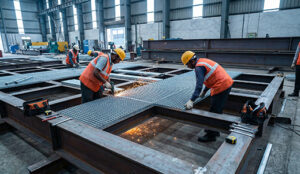
Less on-site fabrication means fewer high-risk activities like cutting or heavy manual work.
This helps create a safer working environment for teams and reduces the chances of accidents.
Ideal for Large-Scale Requirements
When a project involves multiple buildings or large infrastructure, the need for uniform components becomes critical.
Pre-engineered sections can be produced in bulk while maintaining the same quality and specifications.
This makes them highly suitable for projects that require consistency at scale.
Easier Installation Process
Since everything is pre-designed and manufactured, installation becomes more straightforward.
Teams can focus on assembling rather than creating components, which improves productivity on-site.
Better Planning and Coordination
With pre-engineered sections, most of the decisions are made during the planning stage.
This allows for better coordination between teams and reduces last-minute changes during execution.
As a result, projects run more smoothly and efficiently.
Conclusion
Large-scale projects come with complex challenges, but the right approach can significantly improve outcomes. Pre-engineered sections simplify execution, enhance consistency, and help control costs, making them a practical solution for modern construction needs. With a strong focus on precision manufacturing, quality materials, and efficient delivery, Aparna Rollform supports clients in implementing pre-engineered solutions that improve project efficiency and reliability. As projects continue to grow in scale and complexity, adopting such solutions is becoming essential for achieving timely and cost-effective project completion.
Frequently Asked Questions (FAQs)